How to Roast Belacan Properly: A Penang Guide to Unlocking Premium Prawn Paste
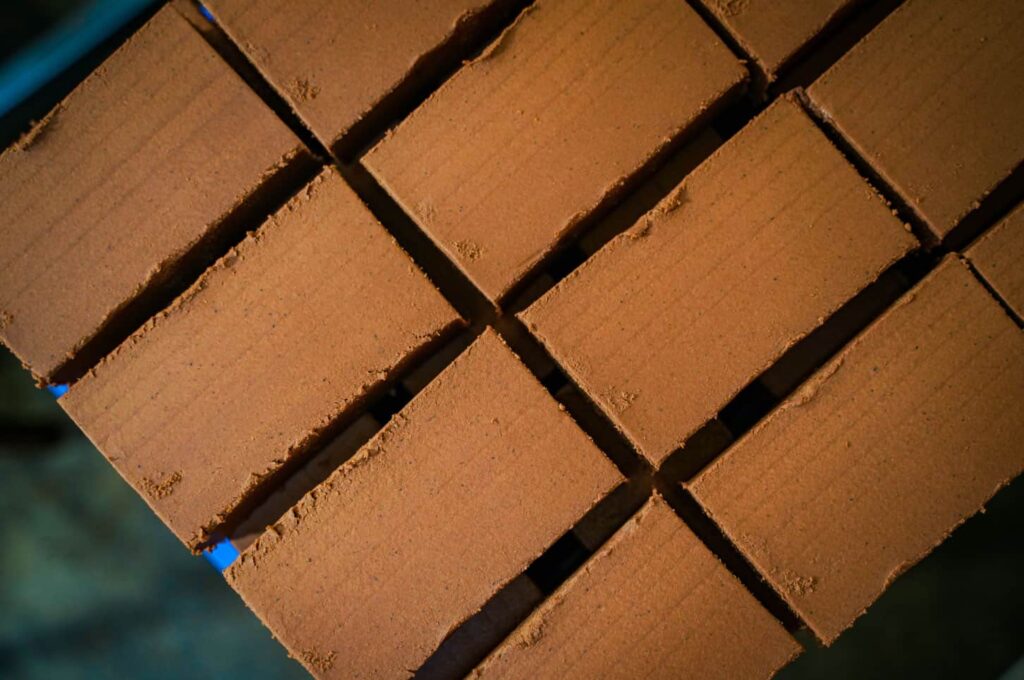
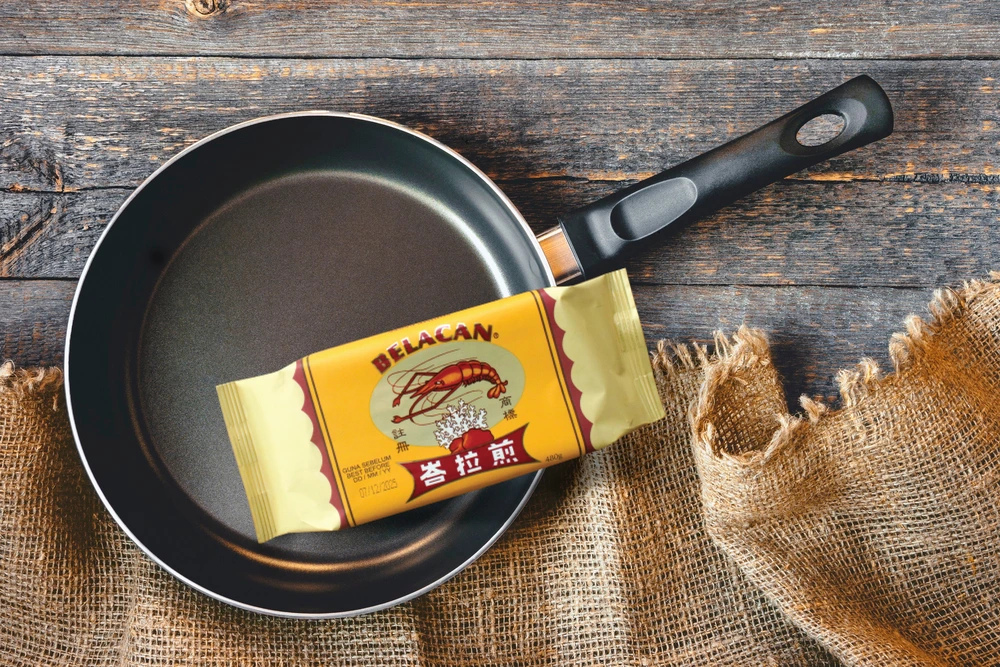
A Penang Guide to Unlocking Premium Prawn Paste By SSL Belacan | Penang, since the 1960s The smell of belacan hitting a hot pan is the signature scent of a Southeast Asian kitchen. It’s also the step most home cooks get wrong — and the one that decides whether your sambal sings or falls flat. Roasting is what transforms prawn paste from a pungent brick into the smoky, layered backbone of dishes like sambal belacan, kangkung belacan, and nasi lemak sambal. Done well, it’s a two-minute ritual. Done poorly, it drags the whole dish down. This is how we’ve roasted belacan in Penang for generations — and how you should too. A quick note on terminology: if you’ve been searching “how to toast belacan,” you’re in the right place. In Malaysian kitchens, we call it roasted belacan, and that’s what we’ll use throughout. What Roasting Belacan Actually Does Raw belacan is already finished. It’s fermented, salted, sun-dried, and perfectly edible straight from the block. But it’s sharp. Briny. One-note. Roasting changes that in three ways: Drives off excess moisture, concentrating the umami Triggers the Maillard reaction, creating new aromatic compounds — nutty, toasty, almost coffee-like Rounds out the flavour, transforming sharpness into depth Starting paste matters. A clean, two-ingredient premium prawn paste Malaysia brand like SSL Belacan roasts evenly because there’s nothing else in the brick — no rice flour, no fillers, no colourings to scorch unevenly or send up acrid smoke. Just shrimp and salt, the way it’s always been done. Three Traditional Methods Method 1: The Banana Leaf Wrap (Traditional Penang) The way our grandmothers did it. The leaf prevents splatter, tames the smoke, and lends a faint grassy note. Wrap 1 tablespoon of belacan in a square of banana leaf Dry pan on medium-low heat 2–3 minutes per side Done when the leaf darkens and chars at the edges, and the aroma turns nutty Method 2: Dry Pan or Wok (Most Common) The everyday method. Fast, reliable, and what most home cooks use. Flatten a small piece onto a dry, pre-heated pan Low heat, 1–2 minutes per side Break it up with the back of a spoon as it dries Done when the paste turns from grey-pink to deep brick brown, crumbles easily, and no longer looks shiny Method 3: Foil Packet or Open Flame (Quickest) For when you need roasted belacan in under a minute. Wrap in foil, hold over a gas flame 30–60 seconds per side Faster, but less forgiving — easier to burn if you look away How to Tell When It’s Done Four sensory cues. Learn these and you’ll never need a timer. Colour:deep brick brown, never black Texture:crumbles under a spoon; no longer sticky Aroma:shifts from sharp and briny to deep, toasty, almost coffee-like Smoke:a steady wisp is right; billowing smoke means the heat’s too high Rule of thumb: if your kitchen smells only like roasting belacan — no burnt undertone — you’ve hit it. Common Mistakes Heat too high— scorches the surface before the inside dries out Too much at once— steams instead of roasts Not breaking it up— outside burns, inside stays raw Poor ventilation— open a window. Non-negotiable. Low-quality paste — fillers burn unevenly and smoke acridly Using Roasted Belacan: Three Classics Sambal belacan — the pounded chilli condiment. Roasted belacan is non-negotiable here; raw paste tastes flat against the lime and chilli. Kangkung belacan — stir-fried water spinach. The roasted paste dissolves into garlic and chilli, coating every leaf. Nasi lemak sambal and Nyonya asam pedas — depth builders. The roasted belacan goes in at the rempah stage, forming the savoury foundation everything else sits on. For more ways to use it, browse our prawn paste recipes. How to Store Roasted Belacan Roast in small batches as you need it — roasted paste loses its edge within a few days. If you must store it: airtight glass jar, refrigerated, 1–2 weeks maximum. For the raw brick (before roasting), SSL Belacan’s 240g and 480g bricks keep for months in a cool, dry spot. Once opened, wrap tightly and refrigerate. Frequently Asked Questions 1. What’s the difference between roasted and toasted belacan? None — they’re the same thing. “Roasted belacan” is the term used in Malaysian and Nyonya kitchens; “toasted” is more common in English-language recipes. Both refer to the dry-heat step that concentrates the paste’s umami. 2. Can I microwave belacan instead of pan-roasting? You can, but we don’t recommend it. Microwaving heats unevenly and skips the Maillard browning that gives roasted belacan its depth. A dry pan takes two minutes and delivers far better flavour. 3. Why does my roasted belacan taste bitter? You’ve burnt it. Bitterness means the heat was too high or the paste was left too long. Start again on lower heat and watch for the colour shift — deep brown, never black. 4. How much belacan should I roast for one dish? For most dishes, 1 teaspoon to 1 tablespoon is enough. A little goes a long way. Start small — you can always roast more. 5. Do I need to roast belacan for every recipe? Not always. Recipes that simmer for a long time (curries, long-braised rempah) can take raw belacan, since extended cooking does some of the work. But for sambals, stir-fries, and dressings, roasting is essential. 6. Can I roast a large batch in advance? Small batches are better. Roasted belacan loses its aroma within days, even refrigerated. Roast as you cook. The Paste Makes the Difference Roasting belacan properly is a small ritual — two minutes, one pan, four sensory cues. The technique is simple. What you start with is what separates good from great. SSL Belacan has been crafted in Batu Ferringhi, Penang since the 1960s. Two ingredients: sun-dried shrimp and salt. No fillers, no colourings, no shortcuts. MeSTI certified and FDA compliant for export. Available on Lazada, Shopee, Jaya Grocer, and Sunshine Online. For bulk orders and export enquiries, contact us directly.
How to Roast Belacan Properly: A Penang Guide to Unlocking Premium Prawn Paste Read More »