
5 Key Tips for Choosing Right Belacan
SECTION 1
Colour : “Look For Rich & Mature
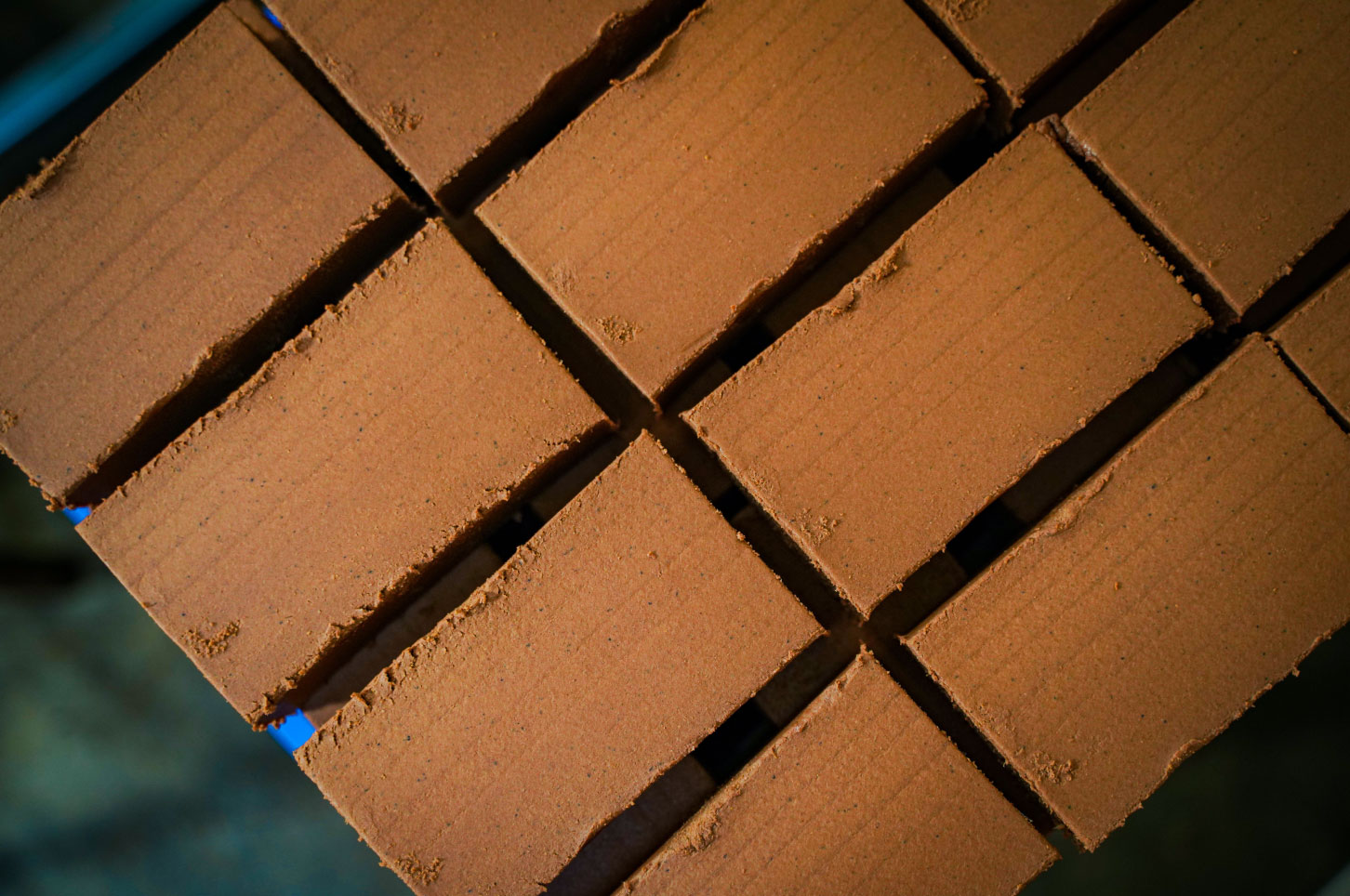
- A top‐quality belacan will have a deep dark brown & purplish hue.
- Blocks that are bright red, pinkish or overly light-coloured — these may indicate under-fermentation or added colouring, which might not produce the optimal flavour desired.
Why this matters:
The deeper colour typically signals longer fermentation and stronger, more developed flavour. (Belacan turns from rosy pink to deep brown through fermentation)
SECTION 2
Texture & Firmness: “Feel for Density”
- The block should feel firm, dense and compact when you handle it.
- If it’s too soft, sticky or crumbly, it may not have been dried properly or might be lower quality.
Why this matters:
A properly processed belacan holds shape, stores better and gives better flavour when toasted or cooked.
SECTION 3
Aroma: “Smell the Right Kind of Funk
- You should detect a clear strong fermented shrimp aroma – not rotten Or decay.
- Avoid a scent that’s sharp acidic, overly fishy or unpleasant, a result of fillers other than shrimp e.g. other sea products that are unfit for fermentation.
Why this matters
Belacan’s distinctive smell comes from proper fermentation of krill/shrimp and salt over the right time and processes. It contributes to that flavourful umami punch in dishes.
SECTION 4
Ingredients & Purity: “Check the Label”
- Ideal label: Shrimp (or krill) + Salt only
- Be cautious of heavy fillers, artificial colouring or many added preservative
Why this matters
Pure shrimps and salts = authentic flavour and less dilution of the pure flavour
SECTION 5
Packaging & Brand / Origin: “Smart Buying”
- Packaging: Block should be sealed, dry, free of visible mould or moisture, ideally vacuum-wrapped or well-wrapped.
- Origin/Brand with MESTie & HALAL from these regions (e.g., Malacca, Penang in Malaysia) are known for good quality belacan.
Why this matters
a properly processed belacan holds shape, stores better and gives better flavour when toasted or cooked.